The summit is just a place. What matters is who walked up beside you.
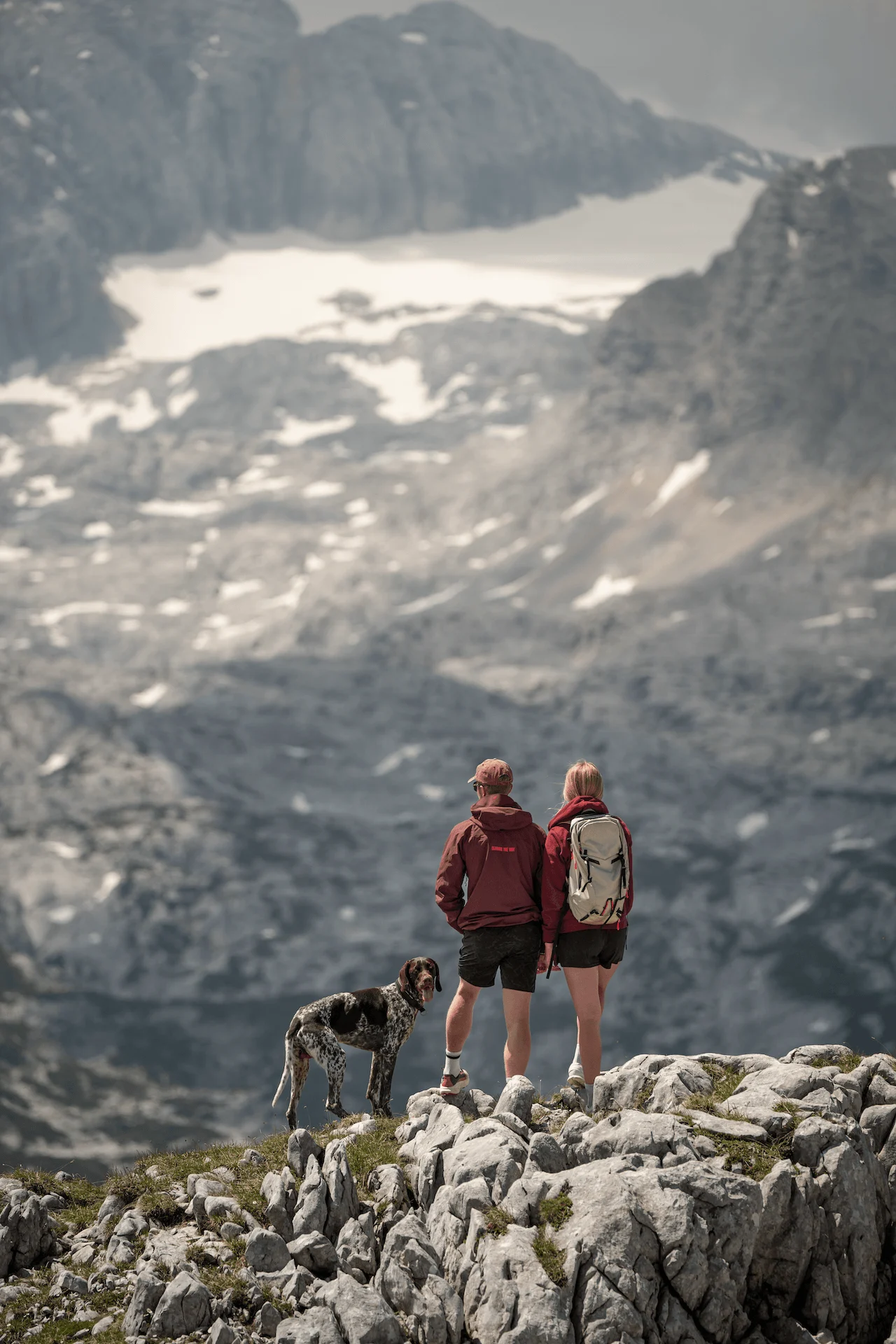
Camping with a dog changes everything. The walk doesn't end when the sun goes down, it just gets quieter. Cooking over the fire while they guard the perimeter, the sound of paws shifting in the tent at 3 am, the first light and a dog already at the door, ready to go. This is what they were built for. (59 words)
Before you go
A mountain is not a park. Prepare your dog the way you'd prepare yourself, and the whole trip gets better.
Build up to it. Start with long day hikes on mixed terrain before attempting a multi-day trip. Paws, joints and stamina all need time to harden.
Check the rules. Some national parks and reserves restrict dogs on certain trails or require a leash. Know before you arrive, not at the trailhead.
Vet check and paperwork. Vaccinations, tick and flea protection, and an ID tag with a phone number that actually works in the mountains.
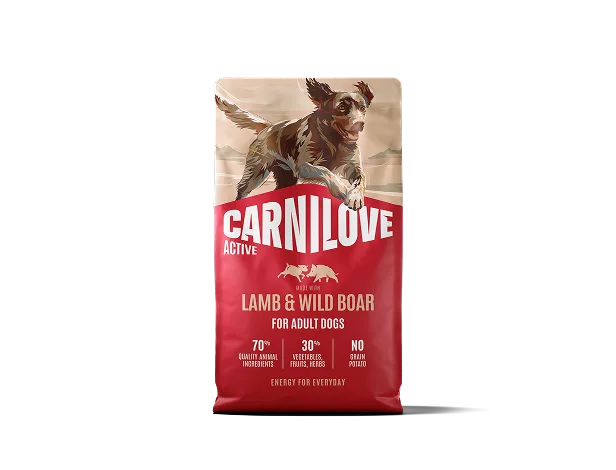
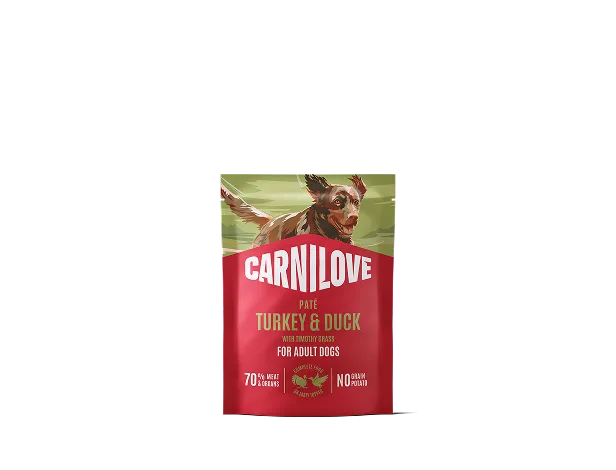
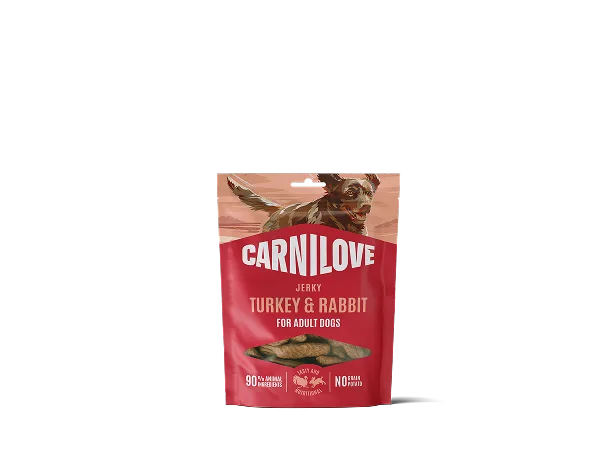
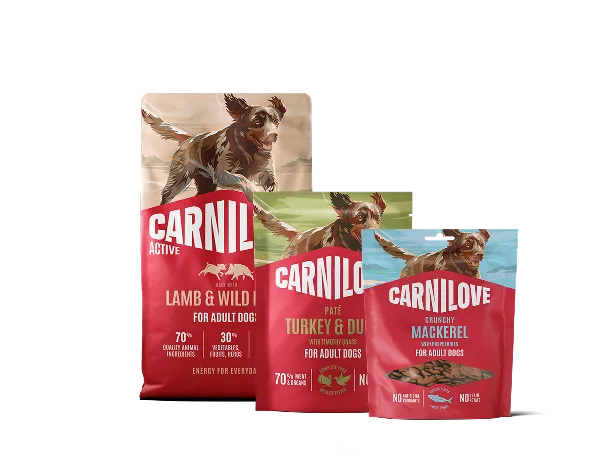
Fuel properly. Active dogs burn far more on the trail. Feed a high-protein, meat-first food in the days before and pack more than you think you'll need.
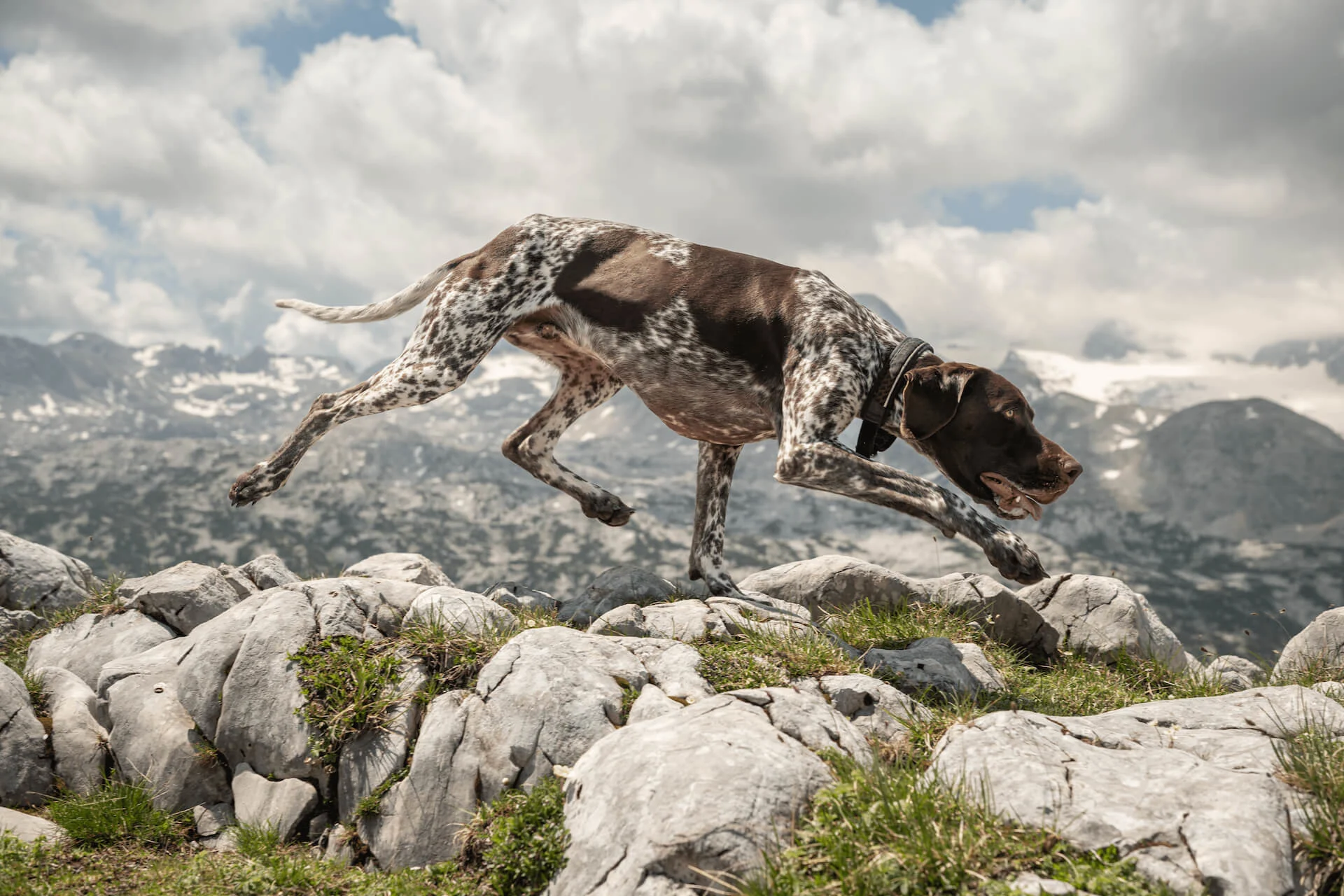
On the trail
Keep them close on ridges, cliffs and near livestock, even the best-trained dog is still a dog when a deer breaks cover
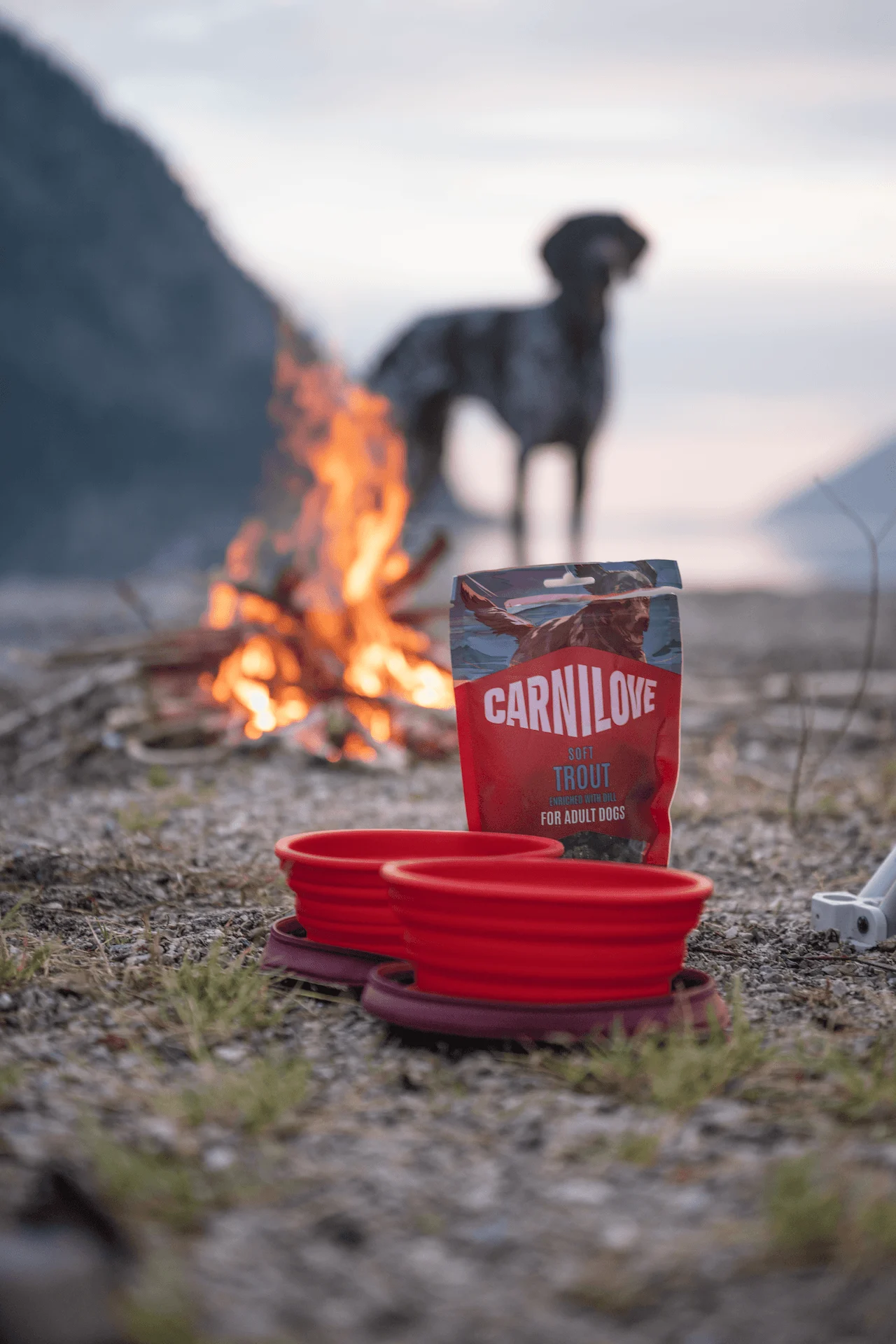
Carry their water. Streams are fine for a drink, but a collapsible bowl and a litre in your pack means they never go without
Check paws at every break. Sharp rock, ice and hot stone do damage fast
Watch their pace. A dog will keep going long after it should stop. When the tail drops and the tongue goes wide, it's time to rest
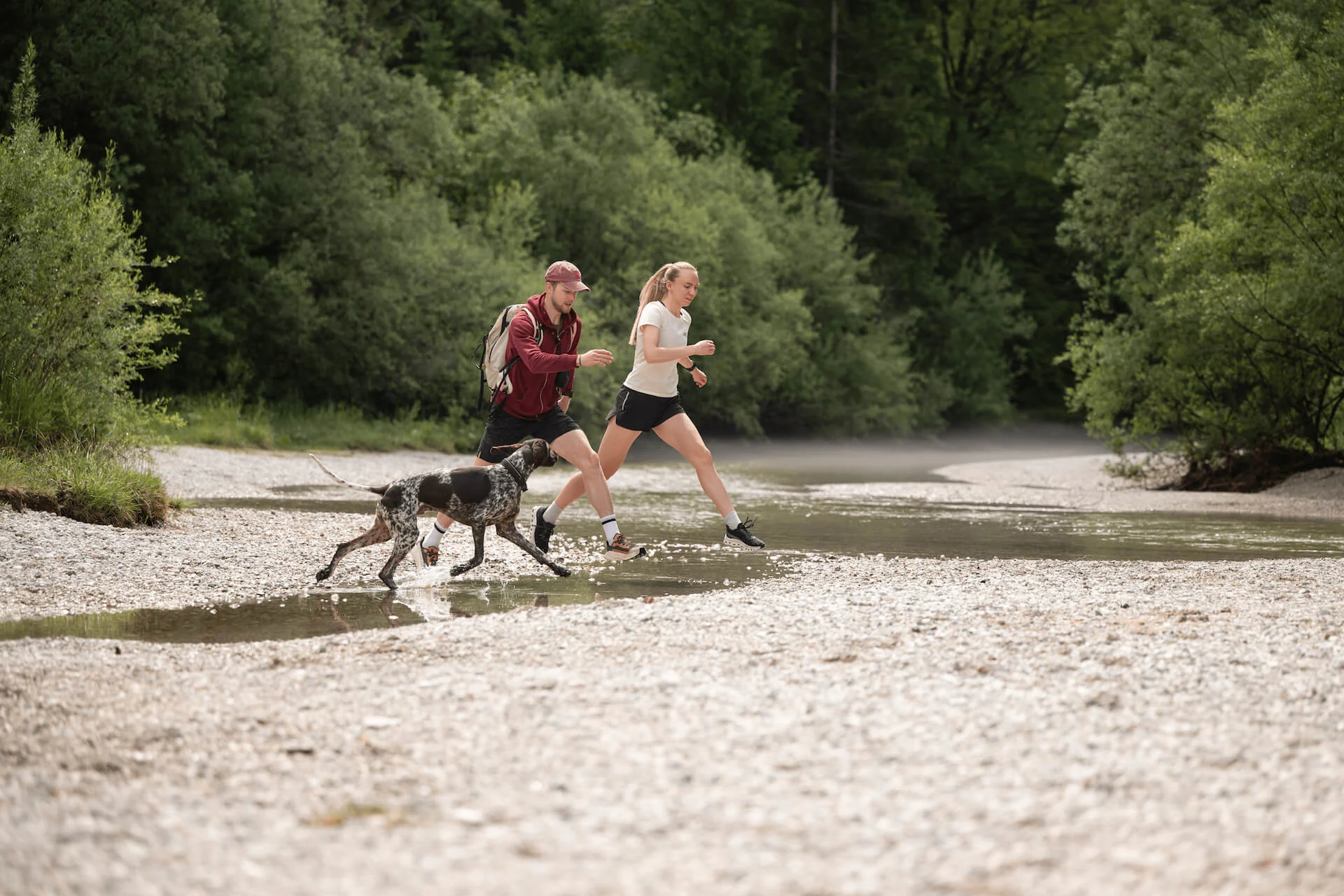
At camp
Set up their spot first: a mat or blanket inside the tent so they know where home is
Feed them after they've cooled down, not straight off the trail
Keep food, treats and rubbish sealed and out of reach. Yours and theirs
A long line clipped to a tree gives freedom without the 2 am wildlife chase
What to pack for them
Food for every day plus one extra
Collapsible bowl and water
Harness, leash and a long line
Paw balm and a small first-aid kit
Towel and a warm layer for cold nights
Poop bags, and carry them out