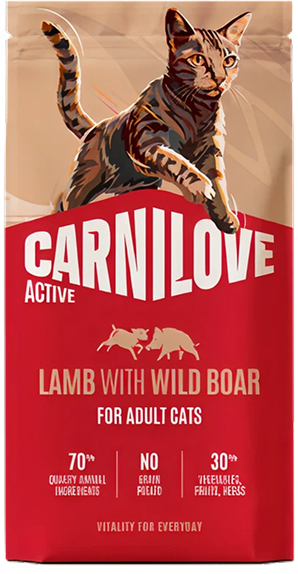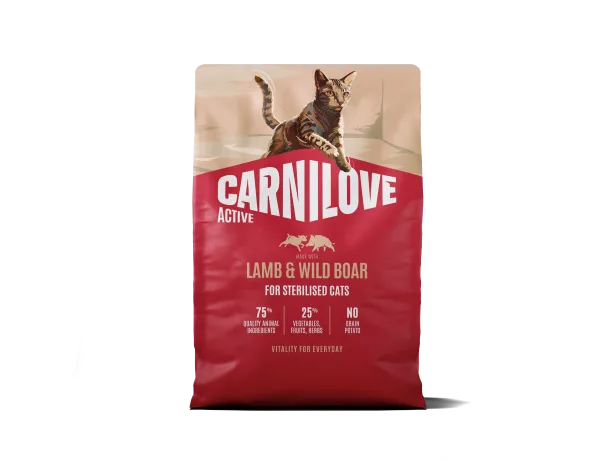
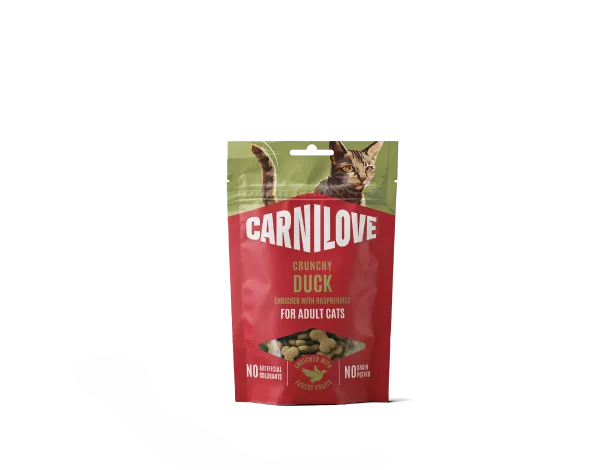
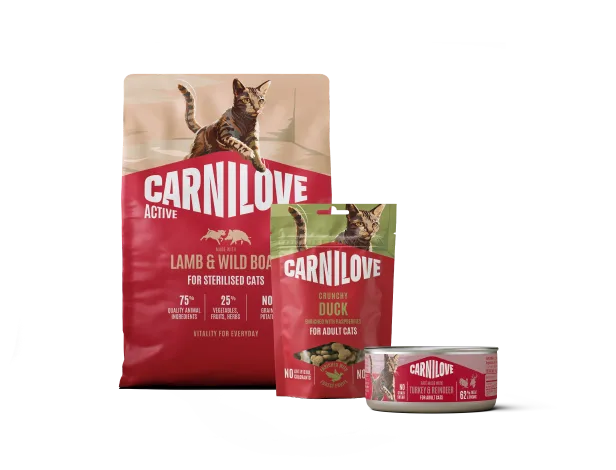
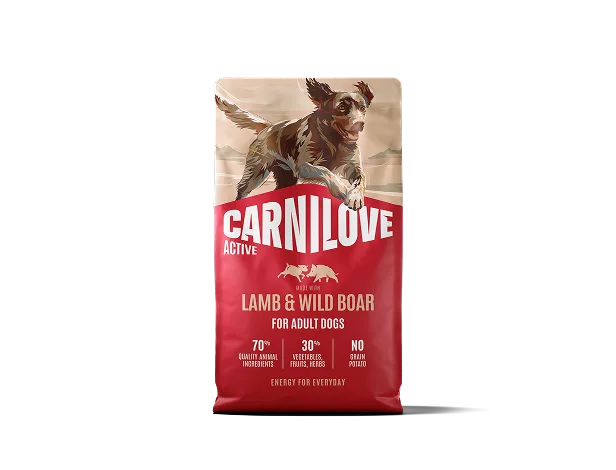
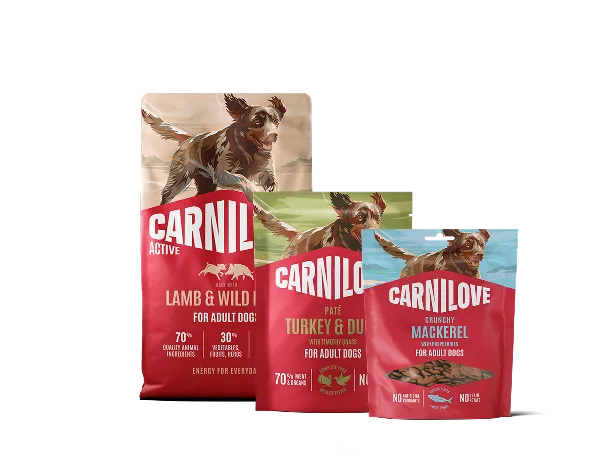

Your dog can't read the bag. You can. The ingredient list is written in order of weight, so the first line tells you what the food is actually made of. Everything after that is detail. (37 words)
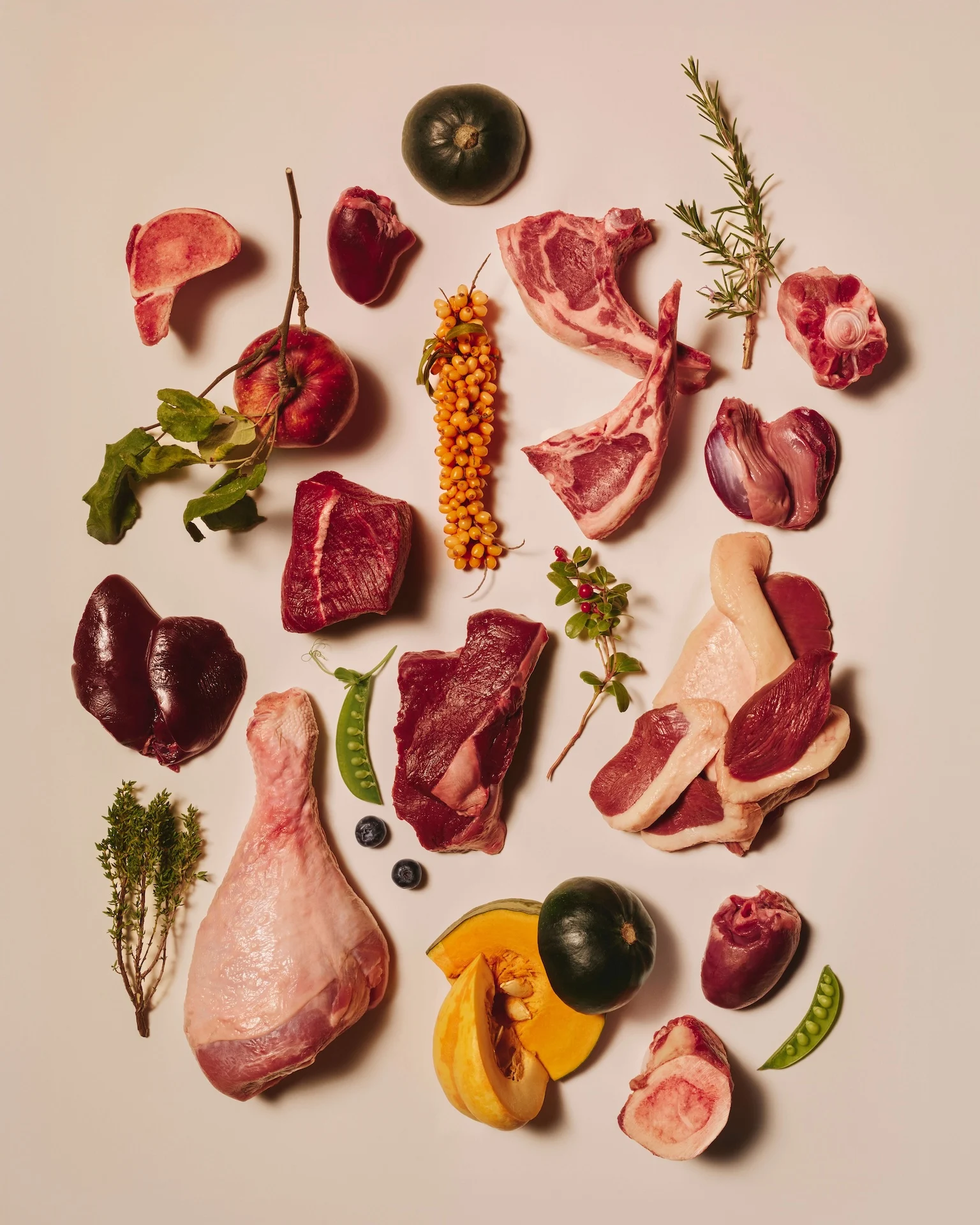
If the first ingredient needs a footnote, it's not the first ingredient you want.
Start at the top
Ingredients are listed by weight, heaviest first. The first three to five items make up most of the food. If meat isn't in that group, meat isn't what your pet is eating, whatever the picture on the front says.
What to look for
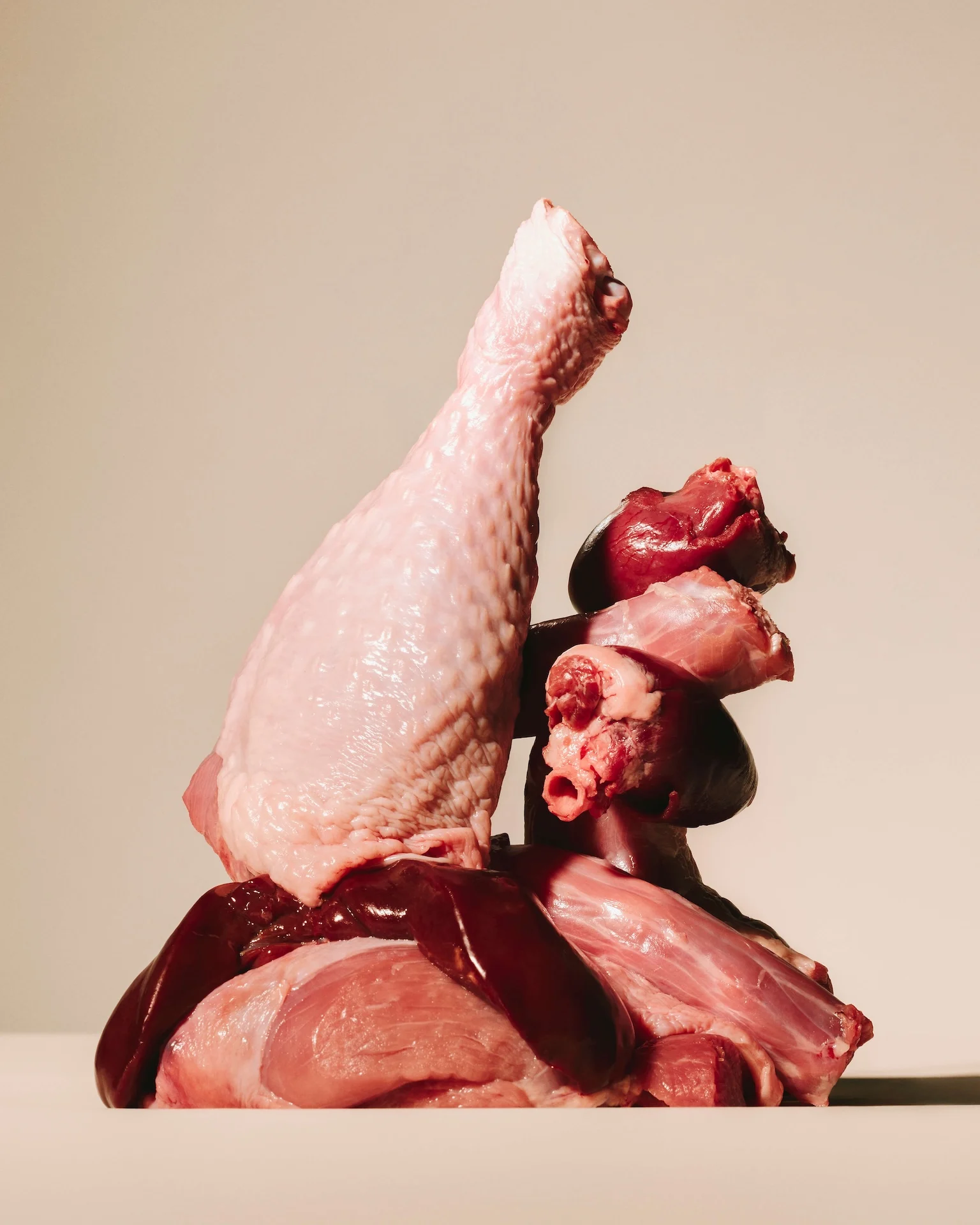
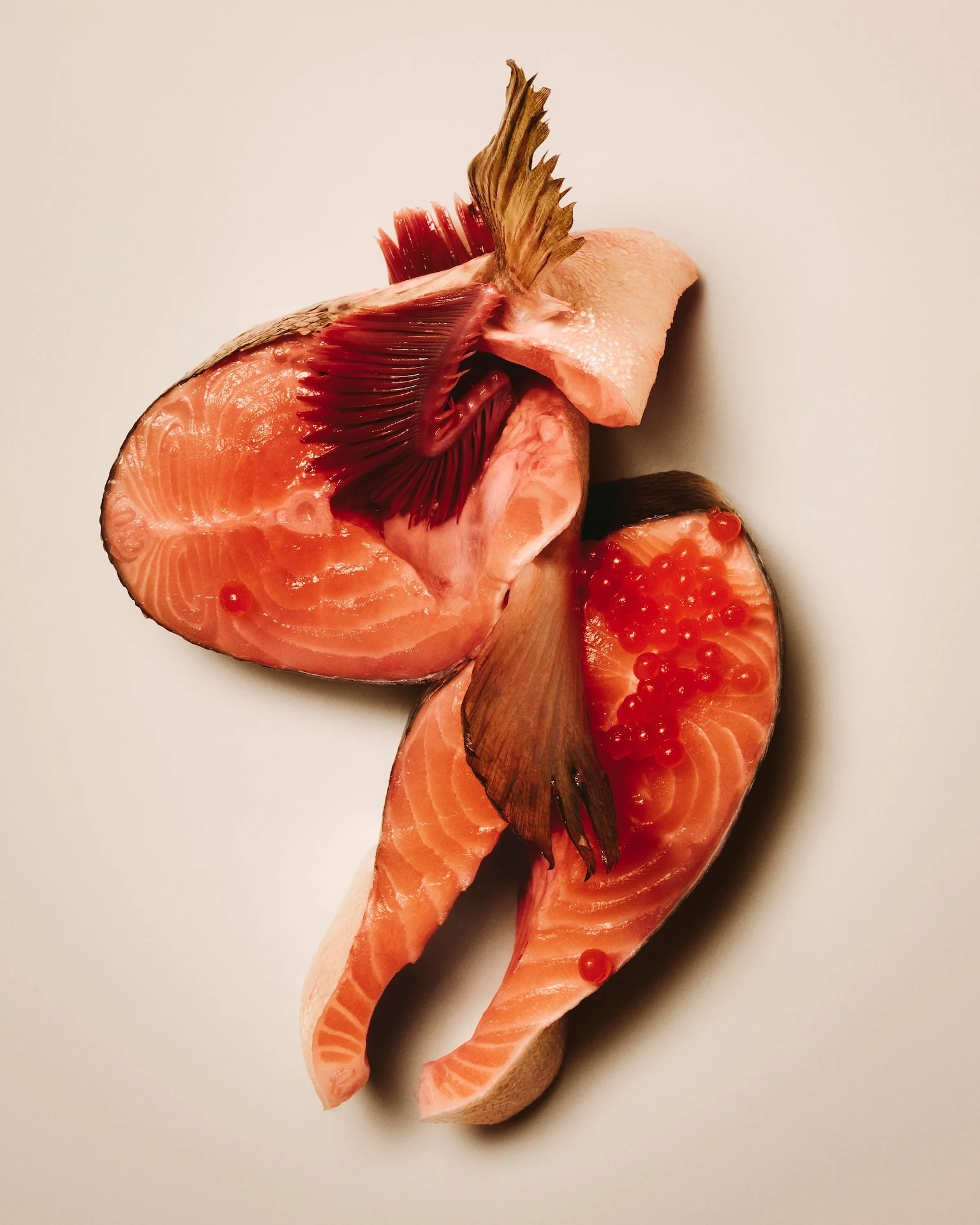
A named fresh meat first. "Fresh duck," "fresh lamb," "fresh salmon." A specific animal, not "meat" or "animal derivatives."
A percentage next to it. Brands that are proud of the meat content print it. Brands that aren't, don't.
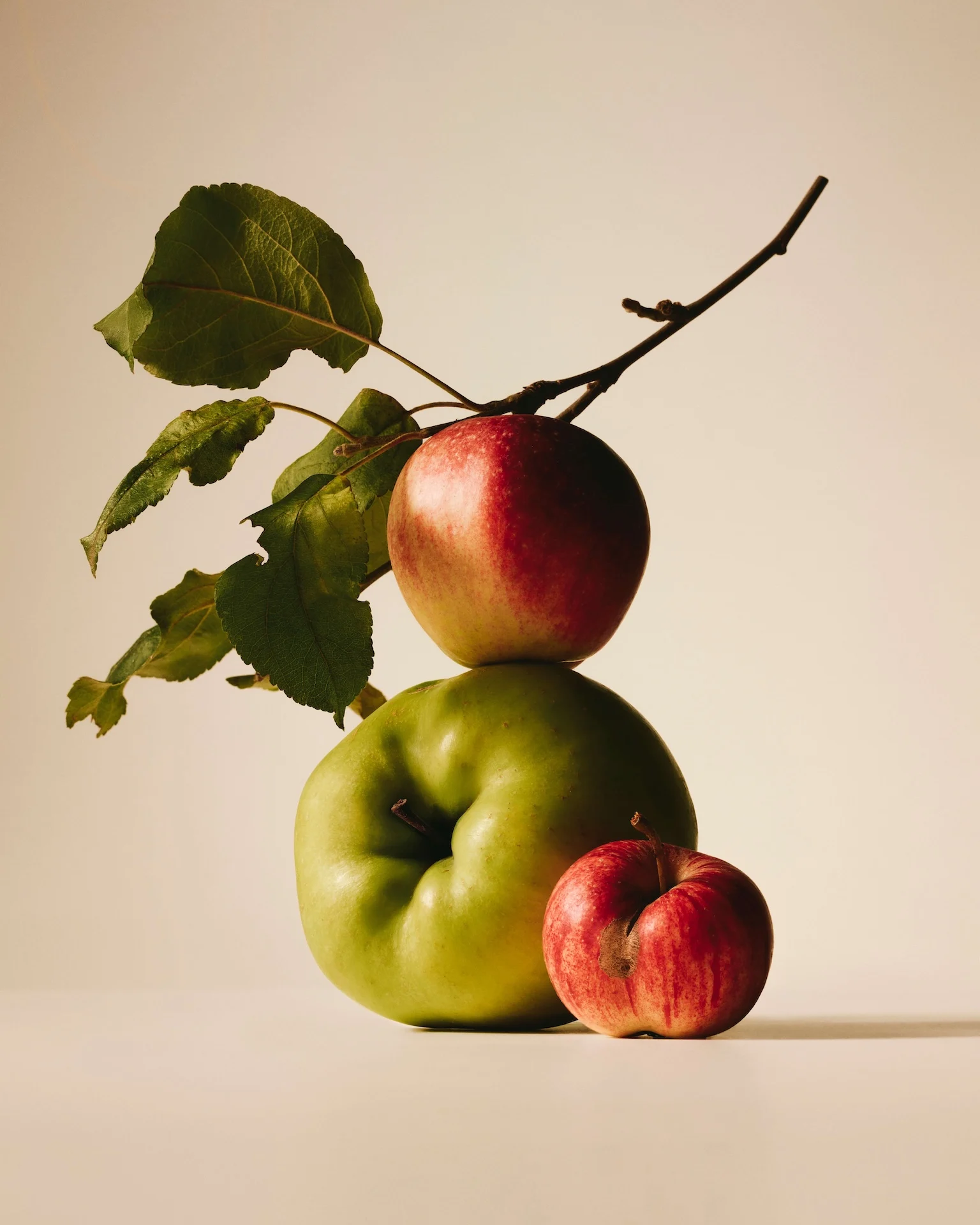
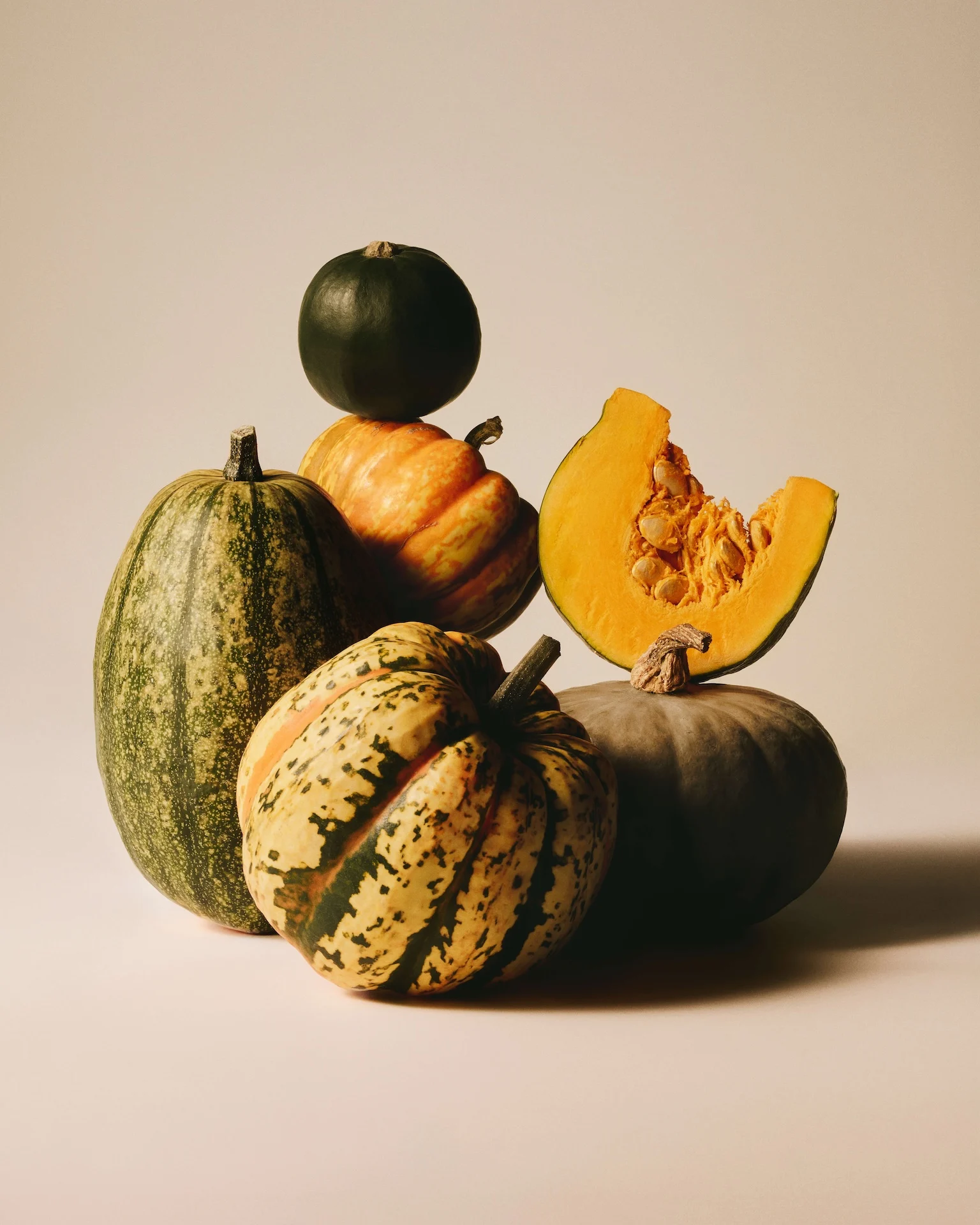
Whole ingredients you recognise. Peas, pumpkin, carrots, apples, linseed. Food, not fractions of food.
Botanicals with a purpose. Cranberries, sea buckthorn, ginger, rosemary. Small amounts, real function.
Fat from a named source. Beef fat, salmon oil. Not "animal fat" or "vegetable oil."
What to walk away from
"Meat and animal derivatives" with no animal named
Grains or potato starch in the first three ingredients
Sugar, caramel or colourants of any kind
"Flavouring" or "digest" listed instead of actual meat
A long list of chemical-sounding preservatives at the end
The percentage trick
Some labels split one ingredient into several to push it down the list. "Peas, pea protein, pea flour, pea fibre" is one ingredient wearing four names. Add them up and you may find the real first ingredient isn't meat at all. Fresh meat that's listed once, with a clear percentage, has nothing to hide.
Why it matters
A dog's gut, muscles and reflexes are built on protein from meat, not from a shelf-stable substitute. Instinct doesn't read marketing. It reads what's in the bowl. So should you.